

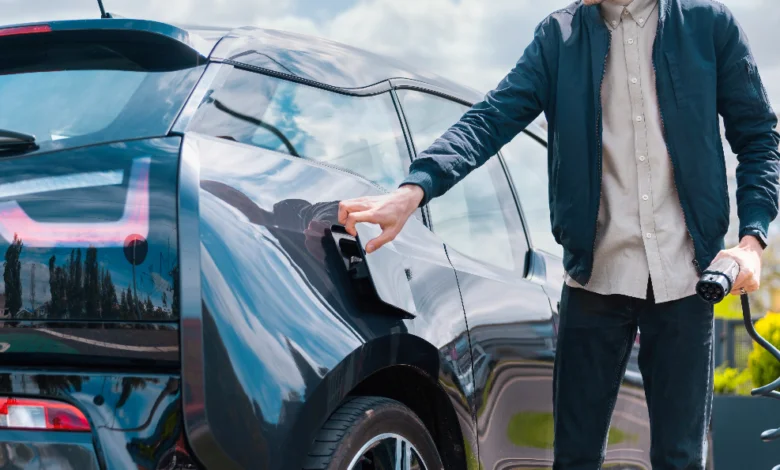
Electric vehicles are transforming transportation today. However, they may not be the only long-term solution for building a cleaner, more efficient mobility system.
For years, electric vehicles have been promoted as the future of transportation. Governments offer incentives, automakers are investing billions, and consumers are increasingly considering battery-powered vehicles.
According to the International Energy Agency (IEA) – Electric Vehicles.
global EV adoption continues to grow rapidly as battery technology improves and charging networks expand.
There is good reason for this momentum. EVs produce no tailpipe emissions, require less routine maintenance, and can lower fuel costs for many drivers.
However, an important question remains: Are electric cars the final answer, or simply one part of a much broader transportation future?
In this guide, we take a balanced look at why electric cars matter, where their limitations remain, and which technologies could help shape the next generation of mobility.
Electric Cars Are a Major Step Forward
Before discussing the limitations, it is important to recognize what EVs do well.
Key Benefits of Electric Vehicles
- Zero tailpipe emissions
- Lower maintenance requirements
- Quiet and smooth driving experience
- Instant torque and strong acceleration
- Ability to use renewable electricity
- Reduced dependence on gasoline
In many cases, electric vehicles are already a practical and cost-effective choice.
For Canadian readers:
Natural Resources Canada – Zero-Emission Vehicles.
Government of Canada – Zero-Emission Vehicles.
These resources provide detailed information about EV technologies, incentives, and adoption goals.
Why Electric Cars May Not Be the Final Transportation Solution
Although EVs offer significant benefits, they also face challenges that suggest the future of transportation may involve multiple technologies.
1. Battery Production Requires Critical Materials
Lithium-ion batteries rely on materials such as lithium, nickel, cobalt, and graphite.
While battery recycling is improving, mining and processing these materials can create environmental and supply chain concerns.
2. Charging Infrastructure Is Still Expanding
Public charging networks are growing quickly. Nevertheless, charging access can still be limited in rural areas, apartment buildings, and older neighborhoods.
3. Grid Upgrades Will Be Necessary
As EV adoption increases, electricity demand will rise. Consequently, utilities may need to invest in transmission, distribution, and smart charging systems.
4. Cold Weather Can Reduce Range
In colder climates, battery performance may temporarily decline. Modern EVs are improving, but winter driving remains an important consideration for some buyers.
5. Not Every Vehicle Segment Is Ideal for Batteries
Battery EVs are highly effective for passenger cars. However, long-haul trucking, aviation, and shipping may require different solutions because of weight, range, and refueling constraints.
To learn more about alternative fuels and charging infrastructure:
U.S. Department of Energy – Alternative Fuels Data Center.
Comparison Table: EVs and Other Future Mobility Technologies
| Technology | Best Use Cases | Main Advantage | Current Challenge |
|---|
| Battery electric vehicles | Passenger cars | High efficiency | Charging time and material supply |
| Hydrogen fuel cells | Heavy trucks and buses | Fast refueling | Limited infrastructure |
| Synthetic e-fuels | Existing combustion engines | Compatible with current vehicles | High production cost |
| Hybrid vehicles | Mixed driving conditions | Greater flexibility | Still uses liquid fuel |
| Public transit | Urban mobility | Reduces congestion | Infrastructure investment |
Technologies That Could Complement Electric Cars
The future of transportation is unlikely to rely on a single solution.
Hydrogen Fuel Cell Vehicles
Hydrogen fuel cells generate electricity onboard and can be refueled quickly. Therefore, they may be particularly useful for commercial trucks and industrial fleets.
Synthetic E-Fuels
Synthetic fuels are produced using captured carbon dioxide and low-emission electricity. Although they remain expensive, they could help reduce emissions from existing internal combustion vehicles.
Public Transit and Active Transportation
Improved transit systems, cycling infrastructure, and walkable communities can reduce vehicle dependence altogether.
Autonomous and Connected Mobility
Smart transportation systems may improve traffic flow, safety, and energy efficiency.
Research from:
International Council on Clean Transportation (ICCT).
highlights how hydrogen, synthetic fuels, and transportation efficiency measures could complement battery electric vehicles.
Why Electric Cars Still Matter Today
Even if EVs are not the only long-term solution, they remain one of the most practical options available right now.
Where EVs Perform Best
- Daily commuting
- City driving
- Home charging
- Lower routine maintenance
- Reduced local air pollution
As a result, electric vehicles are likely to remain a major part of the automotive market for years to come.
The Most Realistic Future: A Mixed Mobility Ecosystem
Instead of replacing every vehicle with one technology, the most realistic future may include:
- Electric cars for personal transportation
- Hydrogen for heavy-duty applications
- Sustainable fuels for aviation and shipping
- Public transit for urban mobility
- Walking and cycling for short trips
In other words, the transportation sector will probably evolve as a portfolio of complementary solutions.
Practical Takeaways for Consumers
If you are considering an EV, focus on:
- Your daily driving distance
- Access to charging at home or work
- Local incentives and rebates
- Winter driving conditions
- Total ownership costs
Final Thoughts
The phrase Why Electric Cars Are Not the Future does not mean electric vehicles are ineffective or unimportant.
Rather, it reflects a broader reality: EVs are likely to be a major part of the future, but they may not be the only solution.
Battery electric vehicles are already reducing emissions and reshaping the automotive industry. Meanwhile, hydrogen, synthetic fuels, public transit, and smarter mobility systems may also play critical roles.
Ultimately, Why Electric Cars Are Not the Future is best understood as a reminder that transportation innovation is diverse. While electric vehicles are essential today, the long-term future will likely involve several technologies working together.
Disclaimer: This article is for informational purposes only. Technology adoption, infrastructure development, and government policies may change over time. Readers should consult authoritative sources for the latest information.


