
Electric Cars Are Worse for the Environment? Understanding the Environmental Debate

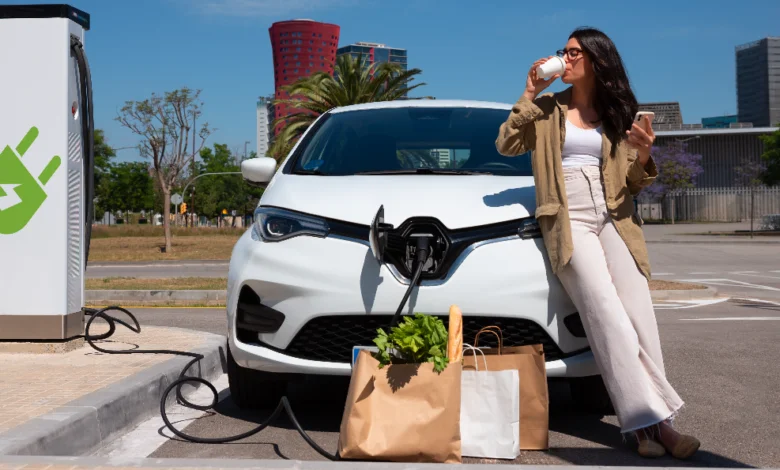
Electric vehicles (EVs) have become one of the most discussed innovations in modern transportation. However, questions about their environmental impact continue to spark debate among consumers, policymakers, and automotive experts. One of the most common claims is that Electric Cars Are Worse for the Environment than traditional gasoline-powered vehicles.
While electric vehicles are not free from environmental challenges, the reality is far more complex than a simple comparison of battery production versus fuel consumption. Therefore, understanding the full lifecycle of a vehicle is essential when evaluating its environmental footprint.
This article explores the facts behind the debate, examines current research, and provides a balanced overview of the Environmental Impact of Electric Cars using evidence-based information.
Are Electric Cars Worse for the Environment? Looking Beyond the Tailpipe
When discussing vehicle emissions, many people focus only on what comes out of the exhaust pipe. However, environmental experts use lifecycle assessments to evaluate a vehicle’s complete environmental impact.
For conventional vehicles, environmental impacts include:
- Oil extraction
- Fuel transportation
- Fuel refining
- Vehicle manufacturing
- Tailpipe emissions
For electric vehicles, impacts include:
- Mineral extraction
- Battery production
- Vehicle manufacturing
- Electricity generation
- Battery recycling and disposal
Consequently, a fair comparison requires examining every stage of a vehicle’s life rather than focusing on a single factor.
According to Electric vehicle and energy transition research from the International Energy Agency (IEA), lifecycle analysis remains one of the most effective ways to evaluate transportation-related emissions and sustainability outcomes.
The Environmental Cost of Battery Manufacturing
One of the most frequently discussed concerns regarding electric vehicles is battery production.
Raw Material Extraction
EV batteries require several critical minerals, including:
- Lithium
- Nickel
- Cobalt
- Graphite
- Manganese
Mining these materials can affect local ecosystems and require substantial energy and water resources. Furthermore, concerns have been raised about environmental management practices and supply chain transparency in some mining regions.
For example, lithium extraction may place pressure on local water resources in certain geographic areas. Similarly, cobalt mining has received attention regarding labor conditions and environmental oversight.
However, manufacturers are increasingly investing in responsible sourcing practices and improved supply chain accountability.
Manufacturing Emissions
Battery manufacturing requires significant amounts of energy. As a result, electric vehicles often begin their operational life with higher manufacturing emissions than comparable gasoline vehicles.
This higher initial environmental footprint is sometimes referred to as a “carbon debt.”
Nevertheless, manufacturing represents only one phase of a vehicle’s lifecycle. Therefore, operational emissions must also be considered when evaluating overall environmental performance.
Electricity Sources Play a Major Role
The environmental performance of electric vehicles depends significantly on how electricity is generated.
Cleaner Electricity Creates Cleaner Driving
When electric vehicles are charged using:
- Hydropower
- Solar energy
- Wind energy
- Nuclear energy
their operational emissions can be substantially reduced.
In contrast, regions that rely heavily on coal-fired electricity may experience smaller environmental advantages from EV adoption.
Therefore, the cleanliness of the local power grid directly influences the environmental benefits of electric transportation.
Readers interested in learning more can review Electric vehicle technology and sustainability information provided by the U.S. Department of Energy – Alternative Fuels Data Center.
Electricity Grids Continue to Improve
An important advantage of electric vehicles is that they can become cleaner over time as electricity systems incorporate more renewable energy sources.
Meanwhile, conventional gasoline vehicles continue to rely on fossil fuels throughout their operational lifespan.
Consequently, improvements in energy infrastructure can enhance the long-term sustainability of electric transportation.
Battery Lifespan, Reuse, and Recycling
Battery disposal is another common concern within the electric vehicle debate.
Long Battery Life
Modern EV batteries are designed for durability and long-term use. Many manufacturers offer warranties ranging from 8 to 10 years, and batteries often remain functional beyond those periods.
Furthermore, batteries that are no longer suitable for vehicle use may still serve secondary purposes, such as stationary energy storage systems.
Growing Recycling Infrastructure
Battery recycling technologies continue to advance rapidly.
Recycling facilities can recover valuable materials such as:
- Lithium
- Nickel
- Cobalt
- Copper
As recycling systems expand, recovered materials may reduce the demand for newly mined resources.
However, recycling infrastructure remains an evolving industry, and continued investment will be necessary to maximize environmental benefits.
Comparing Lifecycle Emissions
One of the most reliable ways to compare vehicle sustainability is through lifecycle emissions analysis.
What Lifecycle Studies Show
Researchers commonly use “well-to-wheel” or lifecycle assessments to evaluate total emissions generated during:
- Resource extraction
- Manufacturing
- Energy production
- Vehicle operation
- End-of-life processing
Many studies conducted by governments, research institutions, and environmental organizations indicate that electric vehicles generally produce lower lifetime greenhouse gas emissions than comparable gasoline-powered vehicles.
However, results vary depending on:
- Vehicle size
- Battery size
- Local electricity sources
- Driving habits
- Geographic location
For additional information, readers can review Vehicle lifecycle emissions research from the International Council on Clean Transportation (ICCT).
Additionally, the U.S. Environmental Protection Agency (EPA) Green Vehicle Resources provides extensive information regarding Green vehicle emissions and environmental impact.
As a result, most lifecycle assessments suggest that many electric vehicles can offset their higher manufacturing emissions over time through reduced operational emissions.
Environmental Benefits Beyond Carbon Emissions
Environmental impact extends beyond greenhouse gas emissions alone.
Improved Urban Air Quality
Electric vehicles do not produce tailpipe emissions during operation.
Therefore, they can help reduce:
- Nitrogen oxides (NOx)
- Carbon monoxide
- Tailpipe particulate pollution
As a result, EV adoption may contribute to improved urban air quality, particularly in densely populated areas.
However, like all vehicles, electric cars still generate some particulate matter from tire and brake wear.
Resource Use Considerations
Both electric vehicles and conventional vehicles require significant natural resources.
Battery manufacturing involves mineral extraction, while conventional vehicles depend on ongoing oil extraction, transportation, and refining activities.
Consequently, environmental comparisons should consider the resource demands of both transportation systems.
Land Use Impacts
Mining operations, drilling sites, refineries, pipelines, and energy infrastructure can all affect ecosystems and land use.
Therefore, neither transportation system is entirely free from environmental impact.
Common Myths About Electric Vehicles
Myth 1: Electric Cars Produce More Pollution Than Gas Cars
While EV manufacturing often generates higher initial emissions, most lifecycle studies indicate lower total emissions over the vehicle’s lifespan.
Myth 2: EV Batteries Cannot Be Recycled
Battery recycling technologies already exist and continue to improve. Furthermore, growing investment in recycling infrastructure may increase material recovery rates in the future.
Myth 3: Electric Cars Are Only Environmentally Friendly in Certain Countries
Environmental benefits vary by location. However, many studies have found that electric vehicles can reduce lifetime emissions across a wide range of electricity grids.
The Canadian Perspective on Electric Vehicles
Canada continues to invest in electric vehicle infrastructure, renewable energy development, and transportation electrification initiatives.
For Canadian consumers, Canadian electric vehicle resources are available through Natural Resources Canada – Electric Vehicles.
These resources provide information regarding:
- Charging infrastructure
- Energy efficiency
- EV adoption programs
- Transportation sustainability initiatives
Furthermore, Canada’s significant hydroelectric capacity contributes to relatively low-emission electricity generation in many regions.
Sustainable Transportation Requires a Broader Approach
Although electric vehicles are an important component of transportation sustainability, they are not the only solution.
According to Sustainable transportation and environmental initiatives supported by the United Nations Environment Programme (UNEP), reducing transportation-related environmental impacts may also involve:
- Public transportation improvements
- Cycling infrastructure
- Walkable urban design
- Renewable energy expansion
- Energy efficiency innovations
Therefore, long-term sustainability depends on a combination of technologies and policy approaches.
Conclusion
The claim that Electric Cars Are Worse for the Environment does not fully align with the findings of most lifecycle environmental studies. While electric vehicles present legitimate environmental challenges related to battery production, mineral extraction, and manufacturing emissions, they also offer important opportunities to reduce greenhouse gas emissions and improve urban air quality.
Furthermore, the Environmental Impact of Electric Cars depends on numerous factors, including electricity sources, vehicle design, driving habits, and recycling infrastructure. Consequently, evaluating EV sustainability requires a comprehensive lifecycle perspective rather than focusing on a single issue.
Ultimately, Electric Cars Are Worse for the Environment is a question best answered through evidence-based analysis rather than assumptions. Current research suggests that, in many circumstances, electric vehicles can contribute to lower lifetime emissions when combined with cleaner energy systems and responsible resource management.
As technology continues to evolve, battery recycling improves, and renewable energy adoption expands, electric vehicles may play an increasingly important role in supporting a more sustainable transportation future.
Disclaimer
This content is intended for informational and educational purposes only. Environmental impacts may vary depending on vehicle type, manufacturing methods, electricity sources, driving conditions, and local infrastructure. Readers should consult current research and authoritative sources when evaluating vehicle purchasing decisions.


