

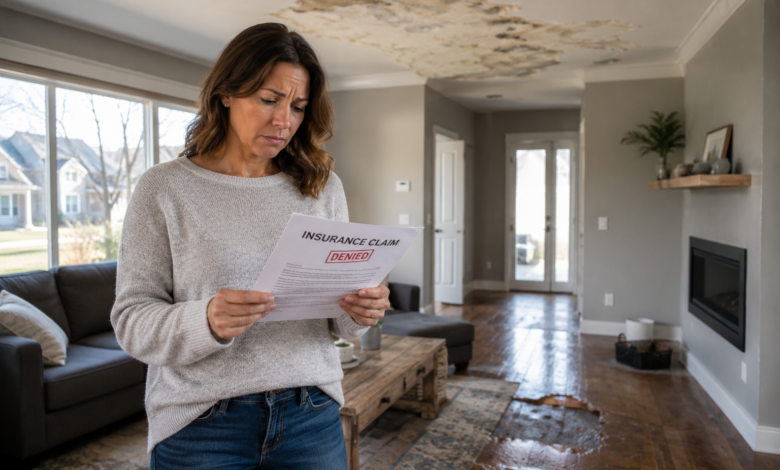
When Sarah noticed water stains spreading across her basement ceiling after a heavy rainstorm, she wasn’t worried. She had faithfully paid her home insurance premiums for years and assumed the repairs would be covered. She believed her Home Insurance Coverage would protect her from such unexpected damage. But when she filed a claim, the answer she received was one she never expected: denied.
The reason? Her policy excluded the type of water damage she experienced.
Unfortunately, Sarah’s story isn’t unusual. Many homeowners believe they’re fully protected until they need to make a claim. That’s when they discover that insurance policies have exclusions, limits, deductibles, and conditions that can leave them paying thousands of dollars out of pocket.
Understanding home insurance coverage before disaster strikes can help you avoid expensive surprises and make informed decisions when reviewing or renewing your policy.
Why Many Homeowners Think Their Insurance Is Fully Covered
Buying home insurance often feels like checking an important box on the homeowner’s to-do list. Once the policy is in place, it’s easy to assume every unexpected event is covered.
In reality, home insurance protects against specific risks, not every possible loss.
Coverage depends on:
- The cause of the damage
- Policy exclusions
- Optional endorsements
- Maintenance history
- Claim circumstances
That’s why two neighbours experiencing similar damage may receive very different claim decisions.
What Home Insurance Coverage Usually Includes
Most standard Canadian home insurance policies generally include protection for:
- Fire and smoke damage
- Windstorms
- Hail damage
- Theft and vandalism
- Lightning
- Certain types of water damage
- Personal belongings
- Personal liability
- Additional living expenses if your home becomes temporarily uninhabitable
However, every policy differs, so it’s essential to review the wording carefully.
The Home Insurance Coverage Gaps That Surprise Homeowners
Many denied claims happen because homeowners assume something is covered when it isn’t.
Overland Flooding
Heavy rainfall and overflowing rivers may not be included in standard policies unless you’ve purchased overland flood protection.
With extreme weather becoming more common across Canada, this optional coverage is increasingly important.
Sewer Backup
A backed-up sewer can cause extensive damage within hours.
Many insurers offer sewer backup protection as an optional add-on rather than standard coverage.
Gradual Water Damage
Insurance generally covers sudden and accidental damage—not problems that develop over time.
Examples include:
- Slow plumbing leaks
- Long-term moisture damage
- Mold caused by neglected maintenance
- Worn roofing
These are often considered maintenance issues rather than insured events. If water-related exclusions like these are on your mind, Everyana’s guide on Water Damage Coverage in BC: What to Check Before Renewal breaks down exactly what’s typically included and excluded before you renew.
Home Maintenance Issues
Insurance isn’t designed to replace routine home maintenance.
Claims related to:
- Aging roofs
- Rotting decks
- Pest damage
- Foundation settling
- Wear and tear
are commonly excluded.
Vacant Homes
Leaving your property vacant for an extended period without notifying your insurer may affect your coverage.
Many policies include occupancy conditions that homeowners overlook.
Why Insurance Claims Get Denied
A denied claim doesn’t always mean the insurer acted unfairly.
Common reasons include:
- Policy exclusions
- Missed maintenance
- Incorrect information during application
- Late claim reporting
- Lack of documentation
- Damage below the deductible
- Unapproved renovations
- Vacant property conditions
Understanding these situations beforehand can significantly reduce claim disputes.
Questions Every Homeowner Should Ask Before Renewing
Instead of simply renewing your policy each year, ask your insurance provider:
Is overland flood coverage included?
Weather patterns continue to change, making flood protection more important than ever.
Am I covered for sewer backup?
Many homeowners mistakenly assume they already have this coverage.
What is my deductible?
A lower deductible generally means higher premiums, while a higher deductible reduces premiums but increases your out-of-pocket costs during a claim.
Have my renovations changed my coverage needs?
Kitchen renovations, finished basements, or home offices may require updated coverage limits. If you’re planning a remodel, Everyana’s Kitchen Renovation Cost in Canada: Ranges + Timeline can help you budget accurately before you update your insurer on the added value.
Are my valuables fully insured?
Jewellery, artwork, bicycles, electronics, and collectables may have coverage limits.
The Fine Print Matters More Than You Think
Insurance documents aren’t exciting reading—but they could save you thousands of dollars.
Pay special attention to:
- Exclusions
- Coverage limits
- Optional endorsements
- Waiting periods
- Deductibles
- Claim reporting requirements
If something isn’t clear, ask your insurance advisor for an explanation before signing.
Real-Life Example
Imagine two homeowners experience basement flooding after a severe storm.
Homeowner A
- Purchased overland flood coverage
- Maintained proper drainage
- Submitted documentation promptly
Result: Claim approved.
Homeowner B
- Declined optional flood protection
- Assumed all water damage was covered
Result: Claim denied.
The difference wasn’t luck—it was understanding the policy.
Tips to Avoid an Insurance Surprise
- Review your policy every year.
- Update your insurer after renovations.
- Keep photos of valuable belongings.
- Maintain your roof, plumbing, and drainage systems.
- Ask about optional endorsements.
- Understand your deductible before filing a claim.
- Read renewal notices carefully instead of automatically accepting them.
Common Insurance Myths
Myth: “If my house is damaged, insurance pays for everything.”
Reality: Coverage depends on the cause of the damage and your policy terms.
Myth: “Flood damage is always covered.”
Reality: Many standard policies exclude overland flooding.
Myth: “I only need to review my policy once.”
Reality: Your insurance should evolve as your home and lifestyle change.
Protect Your House Before You Need Your House Insurance Coverage Policy
The best time to understand your house insurance coverage isn’t after damage occurs—it’s before.
A one-hour policy review today could prevent months of stress later.
If you’re unsure about your coverage, contact your insurance provider and ask questions. It’s far easier to update your policy before a loss than to discover a costly gap afterward.
FAQ Section
Why would a home insurance claim be denied?
Claims are commonly denied because the damage falls under a policy exclusion, results from poor maintenance, exceeds policy limits, or involves coverage that wasn’t purchased.
Does home insurance cover all water damage?
No. Most policies distinguish between sudden accidental water damage and flooding, sewer backup, or gradual leaks. Some types require optional coverage.
Should I review my insurance policy every year?
Yes. Reviewing your policy annually helps ensure your coverage still matches your home’s value, renovations, belongings, and changing risks.
What should I ask before renewing my home insurance?
Ask about:
- Water damage coverage
- Sewer backup protection
- Flood endorsements
- Deductible amounts
- Replacement cost coverage
- Coverage for valuables
External Links
- Government of Canada – Financial Consumer Agency of Canada
https://www.canada.ca/en/financial-consumer-agency.html - Insurance Bureau of Canada
https://www.ibc.ca - Canada Mortgage and Housing Corporation (CMHC)
https://www.cmhc-schl.gc.ca


