

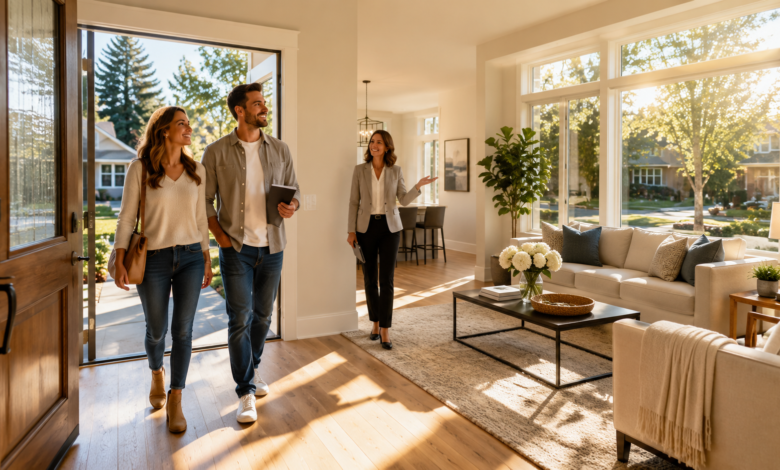
Have you ever stepped into a house and immediately felt at ease—before noticing the number of bedrooms, the size of the kitchen, or the asking price? It’s a feeling many homebuyers describe but struggle to explain. Why homes feel right the moment you walk in is often a mystery, as some homes simply have a welcoming atmosphere that makes them feel “right” from the very first moment.
That instant connection isn’t just luck or emotion. Why homes feel right the moment you walk in comes down to a combination of psychology, design, lighting, layout, comfort, and even subtle sensory cues. Understanding this can help buyers make more informed decisions while avoiding emotional purchases that overlook practical needs.
Whether you’re searching for your first home, planning to move, or simply curious about why homes feel right to some buyers and not others, here’s what really happens when a home leaves a lasting first impression.
Why Homes Feel Right: What First Impressions Reveal
Research shows that people form impressions within seconds of entering a new environment. While those first reactions shouldn’t replace careful inspection, they often reveal how comfortable, safe, and connected we feel in a space.
A positive first impression usually comes from multiple elements working together rather than one standout feature.
These include:
- Natural light
- Comfortable room proportions
- Pleasant temperature
- Quiet surroundings
- Cleanliness
- Functional layout
- Neutral yet warm décor
- Pleasant scents
- Good maintenance
When these factors align, a house begins to feel like a home.
The Psychology of Why Homes Feel Right
Buying a home is both a financial and emotional decision.
Our brains constantly assess environments for comfort and safety, even before we’re consciously aware of it.
Familiarity Creates Comfort
People naturally gravitate toward spaces that remind them of positive experiences.
It could be:
- A sunlit kitchen similar to your childhood home
- A cozy reading corner
- Large family dining spaces
- Warm wooden finishes
- Views of trees or gardens
These familiar details trigger emotional memories that influence buying decisions.
Natural Light Changes Everything
One of the biggest reasons a home instantly feels inviting is natural light.
Bright homes often appear:
- Larger
- Cleaner
- More welcoming
- More energetic
Natural daylight also improves mood and makes interior colours appear more vibrant.
Homes with large windows, skylights, and open sightlines generally create a stronger positive first impression.
Layout Matters More Than Size
Many buyers assume larger homes automatically feel better.
That’s rarely true.
A smaller, thoughtfully designed home often feels more comfortable than a larger home with awkward spaces.
Good layouts offer:
- Easy movement between rooms
- Clear sightlines
- Functional kitchens
- Comfortable gathering spaces
- Private bedrooms
It’s not square footage people notice first—it’s flow. This is part of why the layout differences behind a condo vs townhouse vs detached home can matter just as much to how a place feels as the total square footage on the listing.
The Hidden Influence of Scent
Our sense of smell has a powerful connection to memory and emotion.
Fresh air, subtle natural scents, or the aroma of freshly baked bread or coffee can make a home feel welcoming.
On the other hand, lingering odors from pets, smoke, dampness, or heavy fragrances can immediately create doubt.
Opening windows before a viewing often has a bigger impact than expensive décor.
Sound Shapes the Experience
Noise is one of the most overlooked aspects of home buying.
A peaceful environment allows buyers to imagine daily life more easily.
Pay attention to:
- Traffic
- Airplanes
- Loud neighbors
- Mechanical equipment
- HVAC noise
Sometimes a beautiful home loses its appeal simply because it’s too noisy—and an older or poorly serviced system is often the culprit, which is why it helps to know what actually changes an AC installation quote before assuming a noisy unit just needs replacing.
Clean, Clutter-Free Spaces Feel More Inviting
Home staging isn’t about deception—it’s about helping buyers focus on the space itself.
Well-organised homes allow visitors to imagine their own lives there.
Simple improvements include:
- Removing excess furniture
- Neutral décor
- Fresh paint
- Clean windows
- Organized storage
- Well-maintained landscaping
These details make rooms feel larger and brighter. If decluttering before a sale or viewing means clearing out furniture or years of accumulated belongings, it’s worth understanding how junk removal quotes actually work before you book a pickup.
Small Details Create Big Emotional Responses
Many subtle design elements influence how we experience a home.
These include:
Ceiling Height
Higher ceilings often create feelings of openness and freedom.
Temperature
A comfortable indoor temperature immediately improves comfort.
Texture
Natural materials like wood, stone, and soft fabrics add warmth.
Color
Neutral tones tend to appeal to a wider range of buyers because they’re calming and timeless.
Can Your Gut Feeling Be Trusted?
Many experienced real estate professionals encourage buyers to acknowledge their emotional response—but not rely on it alone.
A home that feels perfect should still be evaluated for:
- Structural condition
- Roof age
- Plumbing
- Electrical systems
- Insulation
- Energy efficiency
- Future maintenance costs
- Neighborhood suitability
Plumbing in particular deserves close attention, since water damage is one of the most common and costly home insurance claims — a home that feels perfect on a viewing can still be hiding aging pipes or past leaks worth asking about.
The best buying decisions combine emotion with careful research.
Practical Tips for Homebuyers
Before making an offer, ask yourself:
- Could I picture my daily routine here?
- Does the layout fit my lifestyle?
- How much natural light enters throughout the day?
- Is the neighbourhood comfortable and safe?
- Does the home feel peaceful?
- Will this home still meet my needs five years from now?
Taking notes after each viewing can help separate emotional excitement from practical reality.
Common Mistakes Buyers Make
Avoid these common pitfalls:
- Falling in love with décor instead of the home itself
- Ignoring maintenance issues
- Overlooking neighborhood factors
- Forgetting future family or work needs
- Rushing because of market pressure
A beautiful first impression should always be followed by a thorough evaluation.
Why Homes Feel Right: Emotion and Function in Balance
The homes people remember most aren’t always the biggest or the newest.
They’re the ones where thoughtful design, comfort, light, functionality, and atmosphere come together naturally.
That’s why two nearly identical homes can create completely different emotional reactions—and why homes feel right for one buyer while leaving another cold.
When a house feels right, it’s usually because many small details are quietly working together.
Ready to Explore Homes That Truly Fit Your Lifestyle?
Whether you’re buying your first property or planning your next move, understanding what creates a welcoming home can help you make a smarter decision. Browse more home buying insights and lifestyle guides, including Everyana’s take on what makes a great place to live, to stay informed before your next viewing.
Authoritative External Links
- Canada Mortgage and Housing Corporation (CMHC): https://www.cmhc-schl.gc.ca
- Government of Canada – Buying a Home: https://www.canada.ca/en/financial-consumer-agency/services/buying-home.html
- National Association of Realtors (Home Buying Resources): https://www.nar.realtor


