
Why Canadians Are Leaving Big Cities for Smaller Towns in Record Numbers

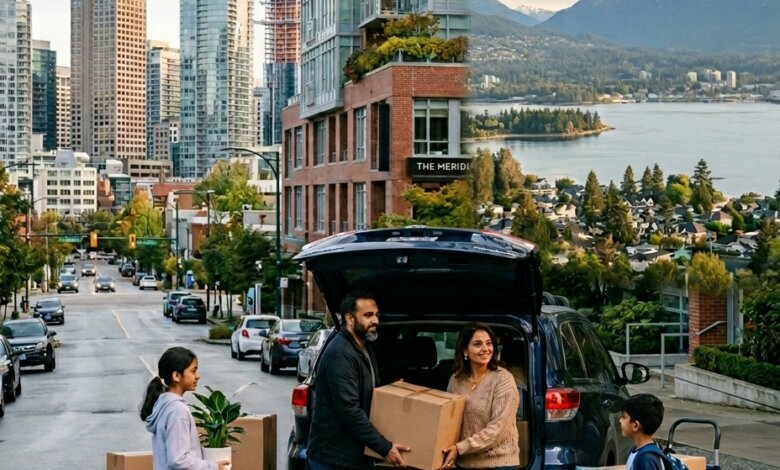
For years, moving to a big city felt like the ultimate Canadian goal. But now, more people are considering leaving big cities for a different pace of life.
Toronto meant opportunity.
Vancouver meant lifestyle.
Calgary meant growth.
But lately, something has changed.
More Canadians are quietly packing up and leaving major urban centers behind — not for another big city, but for smaller towns many people once overlooked completely.
And honestly, it’s not hard to understand why.
Big City Living Is Becoming Financially Exhausting
For many Canadians, city life simply doesn’t feel worth the cost anymore.
Rent keeps climbing.
Housing feels unreachable.
Traffic eats hours every week.
Even basic groceries feel noticeably more expensive.
According to Statistics Canada migration data, many smaller communities across Canada have seen rising migration numbers as people search for affordability and lifestyle improvements outside major urban centers.
Meanwhile, buyers trying to stay in places like Metro Vancouver or Toronto are facing intense financial pressure.
Our recent housing breakdown explains how dramatically affordability has shifted across BC:
Condo vs Townhouse vs Detached — What Can You Really Afford in Metro Vancouver?
Remote Work Changed Everything
Before 2020, many people stayed near cities because work demanded it.
Now?
A growing number of Canadians only need reliable internet and a laptop.
That single shift completely changed how people think about location.
Instead of paying:
- $3,000 rent in Vancouver,
or - massive mortgages in Toronto,
many workers are choosing:
- Kelowna,
- Nanaimo,
- Kamloops,
- Halifax suburbs,
- smaller Alberta towns,
- or quieter Ontario communities.
As remote and hybrid work continues growing, lifestyle is becoming just as important as salary.
The Government of Canada labour market trends also show ongoing changes in workplace flexibility across multiple industries.
Smaller Towns Suddenly Feel More Attractive
What used to feel “too quiet” now feels peaceful.
People are increasingly prioritizing:
- shorter commutes,
- bigger homes,
- cleaner air,
- safer neighborhoods,
- outdoor access,
- and slower daily routines.
For young families especially, the appeal is huge.
A townhouse with a yard in a smaller town may cost less than a small condo in Vancouver or Toronto.
That tradeoff suddenly feels worth it to many Canadians.
Burnout Is Quietly Driving the Shift Too
This conversation isn’t only about money.
A lot of people are simply exhausted.
Big-city living can feel nonstop:
- traffic,
- crowds,
- stress,
- expensive entertainment,
- constant rushing,
- and little personal time.
After years of fast-paced living, many Canadians are realizing:
“I don’t actually want this lifestyle forever.”
Smaller communities often offer something cities struggle to provide:
- breathing room.
Newcomers Are Also Looking Beyond Major Cities
Interestingly, many newcomers are now considering smaller towns earlier than previous generations did.
Instead of automatically targeting:
- Toronto,
- Vancouver,
- or Montreal,
some immigrants are exploring:
- Saskatchewan,
- Manitoba,
- Atlantic Canada,
- smaller BC cities,
- and Alberta communities.
The reasons are practical:
- lower housing costs,
- faster settlement,
- more space,
- and growing job opportunities.
In some cases, permanent residency pathways and regional immigration programs also make smaller communities more attractive.
The Housing Difference Can Be Massive
Here’s where the numbers become hard to ignore.
In large cities:
- detached homes can exceed $2–3 million,
- condos often push $700K+,
- and monthly ownership costs feel overwhelming.
Meanwhile, in smaller towns, many buyers can still find:
- larger homes,
- lower property taxes,
- cheaper insurance,
- and more manageable mortgage payments.
Of course, not every smaller town is cheap anymore. Some markets have risen rapidly because of migration demand.
Still, compared to major urban centers, affordability often looks dramatically different.
Not Everyone Loves Small-Town Life
To be fair, smaller towns aren’t perfect for everyone.
Some people miss:
- nightlife,
- diversity of restaurants,
- career networking,
- transit systems,
- concerts,
- or fast-paced energy.
Additionally, healthcare access and specialized services can sometimes feel more limited in smaller communities.
For many people, however, the tradeoff still feels worthwhile.
A Quiet Lifestyle Shift Is Happening Across Canada
This trend no longer feels temporary.
Many Canadians aren’t just “escaping cities.”
They’re redefining what success looks like.
Instead of chasing:
- luxury condos,
- downtown lifestyles,
- and nonstop hustle,
more people are prioritizing:
- stability,
- mental peace,
- affordability,
- family time,
- and long-term quality of life.
That mindset shift may end up reshaping Canada’s housing and population patterns for years.
Final Thoughts
Big cities still offer opportunity, culture, and excitement.
But increasingly, many Canadians are asking:
“At what cost?”
For a growing number of families, professionals, and newcomers, smaller towns are no longer viewed as a compromise.
They’re becoming the smarter lifestyle choice.
And across Canada, that quiet migration is happening faster than most people realize.


