
How to Choose a Safe Medical Aesthetics Clinic
Choose a trusted clinic with confidence

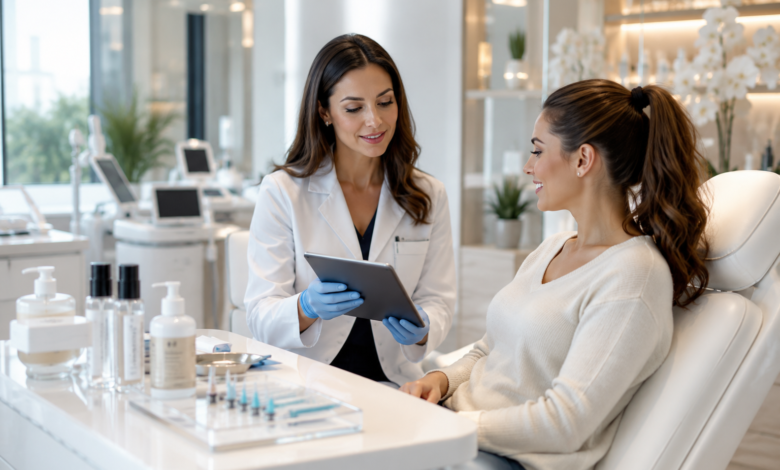
Choosing the right medical aesthetics clinic is one of the most important decisions before undergoing Botox, dermal fillers, laser treatments, or other cosmetic procedures. Non-surgical aesthetic treatments have become increasingly popular because they offer noticeable results with minimal downtime.
But while these treatments are more accessible than ever, not every medical aesthetics clinic offers the same level of expertise, safety, or care. Choosing a clinic based solely on low prices or social media promotions can lead to disappointing results—or worse, serious health complications.
Whether you’re considering your first cosmetic treatment or looking for a new provider, taking the time to evaluate a medical aesthetics clinic carefully is one of the most important steps you can take. This guide walks you through a practical clinic selection process and a comprehensive safety checklist to help you make an informed decision. If you’re specifically weighing your options for Botox or fillers in Vancouver, the same core principles apply.
Related Reading: Explore more wellness and beauty content on Everyana’s Health section.
Why Choosing the Right Clinic Matters
Medical aesthetic treatments may be minimally invasive, but they are still medical procedures. Injectable treatments, laser therapies, and skin resurfacing all require proper training, medical knowledge, and strict hygiene standards.
An experienced practitioner understands:
- Facial anatomy
- Skin types
- Product safety
- Infection prevention
- Managing complications
- Natural-looking enhancement
A reputable medical aesthetics clinic prioritizes your health before your appearance, ensuring every treatment is performed safely and responsibly.
Understanding Medical Aesthetic Treatments
Before selecting a medical aesthetics clinic, it’s helpful to understand the treatments commonly offered. A qualified medical aesthetics clinic will recommend the most suitable treatment based on your skin type, medical history, and cosmetic goals.
Injectable Treatments
These include:
- Botox
- Dermal fillers
- Skin boosters
- PRP (Platelet-Rich Plasma)
Injectables can soften wrinkles, restore facial volume, and improve skin quality.
Laser Treatments
Laser procedures help address:
- Acne scars
- Pigmentation
- Sun damage
- Fine lines
- Hair removal
- Skin tightening
Because lasers vary in intensity, they should only be performed by trained professionals in a licensed medical aesthetics clinic.
Skin Rejuvenation Procedures
Popular options include:
- Chemical peels
- Microneedling
- HydraFacial
- Radiofrequency treatments
Each treatment serves different skin concerns and requires proper evaluation before treatment.
Medical Aesthetics Clinic Selection Checklist
1. Verify Medical Credentials
One of the first questions to ask is:
Who will actually perform your treatment?
Choose a medical aesthetics clinic where procedures are performed or supervised by licensed medical professionals with specialized aesthetic training—the same due diligence worth applying whether you’re choosing between a chiropractor, physiotherapist, or massage therapist for any other kind of care.
Ask about:
- Professional qualifications
- Years of experience
- Specialized certifications
- Continuing education
Never feel uncomfortable asking about credentials.
2. Research the Clinic’s Reputation
Online reviews can provide valuable insight—but don’t rely on a single platform.
Look for:
- Google Reviews
- Verified patient testimonials
- Before-and-after galleries
- Independent review websites
Pay attention to recurring themes rather than isolated opinions. Reviews often help you identify a trusted medical aesthetics clinic known for quality care and patient satisfaction.
3. Schedule a Consultation First
A reputable medical aesthetics clinic never rushes patients into treatment.
During your consultation, the practitioner should:
- Discuss your concerns
- Examine your skin
- Ask about medications
- Review allergies
- Understand your expectations
- Explain suitable treatment options
Good consultations feel educational rather than sales-focused—much like the extra effort some patients now put into finding faster access to care in general rather than accepting the first available appointment.
4. Ensure Personalized Treatment Plans
No two faces or skin types are identical.
Avoid clinics offering identical packages to everyone.
Instead, expect recommendations based on:
- Age
- Skin condition
- Lifestyle
- Medical history
- Desired outcomes
- Budget
Every professional medical aesthetics clinic should create a personalized treatment plan instead of offering one-size-fits-all solutions. Personalization often leads to safer, more natural-looking results.
Before proceeding, confirm that the medical aesthetics clinic follows strict hygiene and patient safety protocols.
Safety Checklist Before Treatment
Confirm Product Authenticity
If you’re receiving injectables, ask:
- Which brand is being used?
- Is it approved by your country’s health authority?
- Can I see the unopened package?
Authentic products reduce the risk of complications and ensure predictable results.
Check Hygiene Standards
A professional medical aesthetics clinic should resemble a medical facility—not a beauty salon.
Look for:
- Clean treatment rooms
- Sterile equipment
- Disposable needles
- Proper hand hygiene
- Medical waste disposal
- Fresh treatment linens
If cleanliness seems questionable, trust your instincts.
Review Medical History Thoroughly
Responsible practitioners ask about:
- Pregnancy
- Breastfeeding
- Allergies
- Autoimmune conditions
- Blood-thinning medications
- Previous cosmetic procedures
Skipping this discussion is a major red flag.
Ask About Risks
Every cosmetic treatment has potential side effects.
Temporary effects may include:
- Swelling
- Bruising
- Redness
- Tenderness
Your provider should also explain rare but serious complications and how they’re managed.
Questions Every Patient Should Ask
These questions will help you evaluate whether a medical aesthetics clinic meets high standards of safety and professionalism.
Bring this checklist to your consultation. Ask:
- Who performs the treatment?
- How often do you perform this procedure?
- What products or devices will be used?
- What results should I realistically expect?
- What complications have you managed?
- How long does recovery take?
- Will I need follow-up appointments?
- What should I avoid afterward?
- Can I see before-and-after photos?
- What happens if I experience complications?
Good providers welcome informed questions.
Red Flags to Watch Out For
Avoid any medical aesthetics clinic that:
- Offers prices that seem too good to be true
- Skips consultations
- Promises “perfect” results
- Pressures you into purchasing packages
- Cannot explain risks
- Refuses to discuss qualifications
- Operates in unhygienic conditions
- Uses unbranded products
If something feels rushed or unprofessional, consider another provider. For a broader checklist on evaluating a clinic from the ground up, see our companion guide on medical aesthetics clinic selection and safety.
Understanding Realistic Expectations
Medical aesthetics is about enhancement—not perfection.
A reputable medical aesthetics clinic focuses on:
- Preserving facial harmony
- Enhancing natural features
- Maintaining facial expressions
- Achieving gradual improvements
Overcorrection often produces less satisfying results than subtle, balanced enhancements.
The Importance of Aftercare
Treatment doesn’t end when you leave the medical aesthetics clinic.
Proper aftercare supports healing and reduces complications.
Typical advice includes:
- Avoid touching treated areas unnecessarily
- Protect skin from direct sunlight
- Stay hydrated
- Follow skincare instructions
- Attend scheduled follow-up visits
- Contact the clinic immediately if unusual symptoms occur
Following aftercare instructions can significantly improve your final results—and fits into the same mindset behind why preventive care matters for long-term wellness.
Cost vs. Value
It’s natural to compare prices, but the cheapest option isn’t always the safest.
A higher-quality medical aesthetics clinic may charge more because it invests in:
- Experienced practitioners
- Authentic products
- Advanced equipment
- Sterile facilities
- Comprehensive consultations
- Ongoing patient care
When it comes to medical aesthetics, value is measured by safety, expertise, and long-term satisfaction—not price alone. It’s the same logic behind why the cheapest option for routine care, like a dental cleaning, isn’t always the best deal.
Helpful Safety Checklist
Use this checklist every time you compare a medical aesthetics clinic before booking your appointment.
- Licensed and experienced practitioner
- Thorough consultation completed
- Personalized treatment plan
- Authentic products used
- Clean and sterile environment
- Risks explained clearly
- Transparent pricing
- Written aftercare instructions
- Emergency protocols in place
- Comfortable asking questions
- No pressure to proceed immediately
Trusted Resources
For additional information about cosmetic procedure safety and skin health, consult these authoritative sources:
American Academy of Dermatology (AAD) – Expert guidance on skin treatments and dermatologic care.
U.S. Food & Drug Administration (FDA) – Information on cosmetic products and medical devices.
American Society of Plastic Surgeons (ASPS) – Patient education on aesthetic procedures.


