

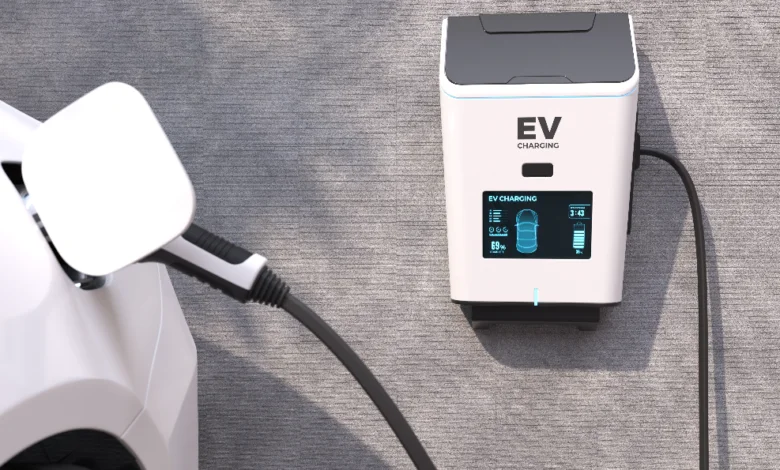
Owning an electric vehicle becomes even more convenient when you can charge at home. Instead of searching for public charging stations, you can plug in overnight and start each day with a fully charged battery.
However, before moving forward with Home EV Charger Installation, it is important to understand the costs, electrical requirements, and the questions you should ask your electrician.
In this guide, you will learn the typical Home EV Charger Installation cost in Canada, the factors that influence pricing, and how to choose the right charging setup for your home.
Why Home EV Charger Installation Makes Sense
Most electric vehicles include a Level 1 charging cord that plugs into a standard 120-volt outlet. While this option is useful, it charges relatively slowly.
By contrast, a Level 2 charger uses a 240-volt circuit and significantly reduces charging time.
As a result, Home EV Charger Installation offers several advantages:
- Faster charging speeds
- Greater day-to-day convenience
- Access to off-peak electricity rates
- Reduced dependence on public chargers
- Potential added appeal for future homebuyers
For more information about EV ownership, visit Government of Canada Zero-Emission Vehicles.
Typical Home EV Charger Installation Cost in Canada
The total cost depends on the charger you choose and the electrical work required.
| Item | Typical Cost (CAD) |
|---|---|
| Level 2 charger unit | $500–$1,200+ |
| Standard installation | $500–$1,500 |
| Permit and inspection | $100–$300 |
| Electrical panel upgrade (if needed) | $1,500–$5,000+ |
| Total typical cost | $1,000–$3,000+ |
Therefore, a standard installation is often straightforward, while panel upgrades can significantly increase the total investment.
Factors That Affect Installation Cost
Distance From the Electrical Panel
Longer cable runs require additional materials and labour.
Available Panel Capacity
If your panel lacks sufficient capacity, a load management device or panel upgrade may be necessary.
Charger Features
Wi-Fi connectivity, scheduling, and app controls may increase equipment costs.
Permit Requirements
Permit rules vary by municipality and province.
Installation Complexity
Detached garages, finished walls, and outdoor installations can raise labour costs.
Questions to Ask Before Home EV Charger Installation
Before hiring an electrician, ask the following:
- Does my electrical panel have enough capacity?
- Will permits and inspections be required?
- Which charger amperage best suits my vehicle?
- Are rebates currently available?
- How long will the installation take?
- What warranty is included?
- Can the charger be installed outdoors?
Asking these questions early can help you avoid unexpected expenses.
Available Rebates and Incentives
In some provinces, governments and utilities offer incentives for charger purchases and installation.
Helpful resources include:
Because rebate programs change over time, always verify the latest details before purchasing.
Choosing the Right EV Charger
When comparing chargers, consider:
- Vehicle compatibility
- Charging speed
- Cable length
- Smart features
- Indoor or outdoor rating
- Warranty terms
Popular brands in Canada include FLO, Grizzl-E, ChargePoint, and Tesla-compatible chargers.
What Happens During Installation?
A licensed electrician will typically:
- Inspect your electrical panel.
- Perform a load calculation.
- Confirm the charger location.
- Install a dedicated 240-volt circuit.
- Mount the charger.
- Arrange any required inspections.
- Test the system.
In many cases, a standard installation can be completed in one day.
When a Panel Upgrade May Be Required
A panel upgrade may be necessary if:
- Your panel is already full.
- Your electrical service is undersized.
- You plan to add other high-demand appliances.
- The load calculation exceeds available capacity.
To learn about electrical safety requirements, visit Electrical Safety Authority (Ontario).
Home Charging vs Public Charging
| Feature | Home Charging | Public Charging |
|---|---|---|
| Convenience | Excellent | Moderate |
| Cost per kWh | Often lower | Often higher |
| Availability | Always at home | Depends on station access |
| Charging Speed | Level 1 or Level 2 | Level 2 or DC fast charging |
Consequently, home charging is often the most practical option for daily use.
Final Thoughts
A professionally installed EV charger can make electric vehicle ownership significantly easier. In Canada, most projects cost between $1,000 and $3,000, while more complex electrical work can increase the total.
Before proceeding, compare chargers, review available rebates, and consult a licensed electrician.
Ultimately, the right Home EV Charger Installation setup can provide years of reliable, convenient, and cost-effective charging.
Disclaimer: This article is for general informational purposes only. Installation requirements, permit rules, and rebate availability vary by province and municipality. Always consult a licensed electrician before installing a Level 2 EV charger.


